تُعد السعودية والإمارات من أهم أسواق التمور والفواكه المجففة في الشرق الأوسط، لكنهما ليستا سوقاً واحدة. بالنسبة للمستورد، لا يتوقف نجاح الطلب الأول على سعر المنتج فقط، بل على ملاءمة قناة البيع، وحجم العبوة، ودوران المخزون، والشريك المحلي.
إذا كنت تدرس شراء تمر مجدول، أو تمر خلاص، أو علبة هدايا الفواكه المجففة، أو أصناف أخرى، يساعدك هذا الدليل على بناء إطار أوضح للمقارنة بين الإمارات والسعودية.
هذا الدليل مخصص لتخطيط المشتريات، ولا يمثل استشارة جمركية أو ضريبية أو قانونية. يجب أن يؤكد المستورد المحلي ووكيل التخليص ومستشار الامتثال متطلبات الملصق والوثائق قبل الإنتاج والشحن.
1. افهم الدور المختلف لكل سوق
تُستخدم الإمارات، وخصوصاً دبي، كثيراً كبوابة للتجزئة الفاخرة وضيافة الفنادق والهدايا المؤسسية والتوزيع الإقليمي وإعادة التصدير. لذلك يهم المشتري فيها مظهر العبوة وسرعة الاستجابة وقدرة المنتج على التكيف مع عملاء من أسواق متعددة. وهي مناسبة غالباً لطلب تجريبي أصغر واختبار قنوات دول مجلس التعاون.
أما السعودية فتناسب التخطيط للاستهلاك المحلي والتوزيع عبر المتاجر الكبرى وتجار الجملة والموزعين الإقليميين. ويحتاج المشتري إلى دراسة عبوات العائلة، ونطاق السعر، وهامش الموزع، وقدرة المورد على إعادة التوريد بثبات.
| هدف الشراء | السوق الذي يستحق الأولوية في الدراسة | ما يجب التركيز عليه في الطلب الأول |
|---|---|---|
| اختبار علب الهدايا الفاخرة وقنوات الفنادق | الإمارات | المظهر، وسيناريو الهدية، ومدة التجهيز، ومرونة الكمية |
| البحث عن توزيع إقليمي أو إعادة تصدير | الإمارات | الكرتون الخارجي، والوثائق، وتركيبة الوجهات، وخطة النقل |
| زيادة المبيعات عبر العائلات والمتاجر الكبرى | السعودية | المقاس، ونطاق السعر، ودوران المخزون، ودعم الموزع |
| بناء علامة محلية طويلة الأجل | كلا السوقين ممكن | الملصق، ومسؤولية المستورد، وثبات التوريد، وبيانات إعادة الطلب |
هذا لا يعني أن الإمارات سوق فاخر فقط أو أن السعودية سوق جماهيري فقط. فالقرار الفعلي يعتمد على القناة والمدينة والسعر والشريك المحلي.
2. اختر التشكيلة وفق قناة البيع
بدلاً من السؤال عن الصنف الأكثر مبيعاً في الشرق الأوسط، ابدأ بالسؤال: أين سيبيع المشتري المنتج؟ قد يحتاج الصنف نفسه إلى مواصفة مختلفة إذا كان موجهاً إلى علبة فندق أو متجر متخصص أو سوق جملة.
الإمارات: الهدايا والفنادق والتجزئة المتخصصة
يمكن اختبار منتجات عرض وتشكيلات مركبة، مثل:
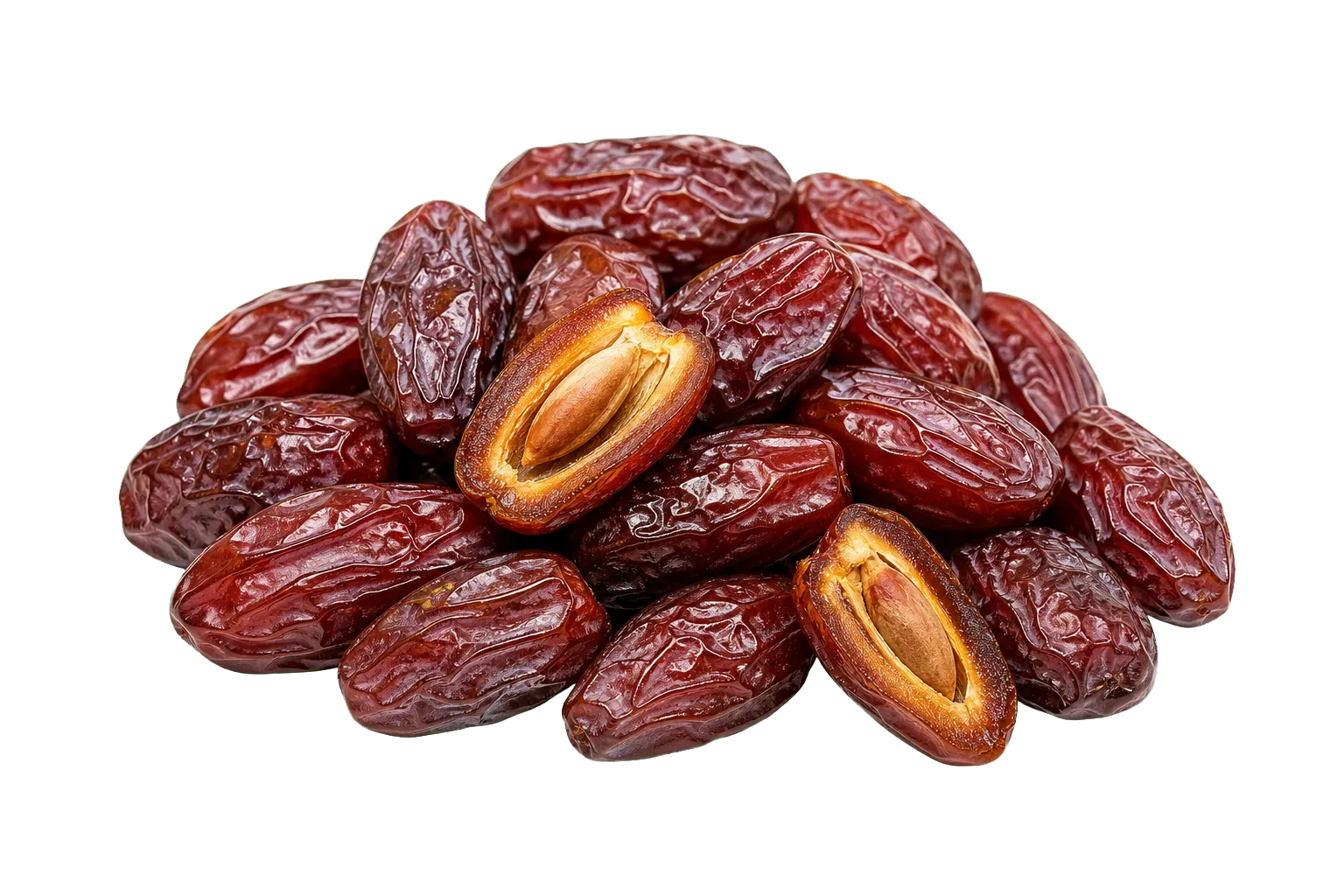
- الصنف الفاخر الرئيسي: تمر مجدول، مناسب للهدايا وضيافة الفنادق والتجزئة الراقية.
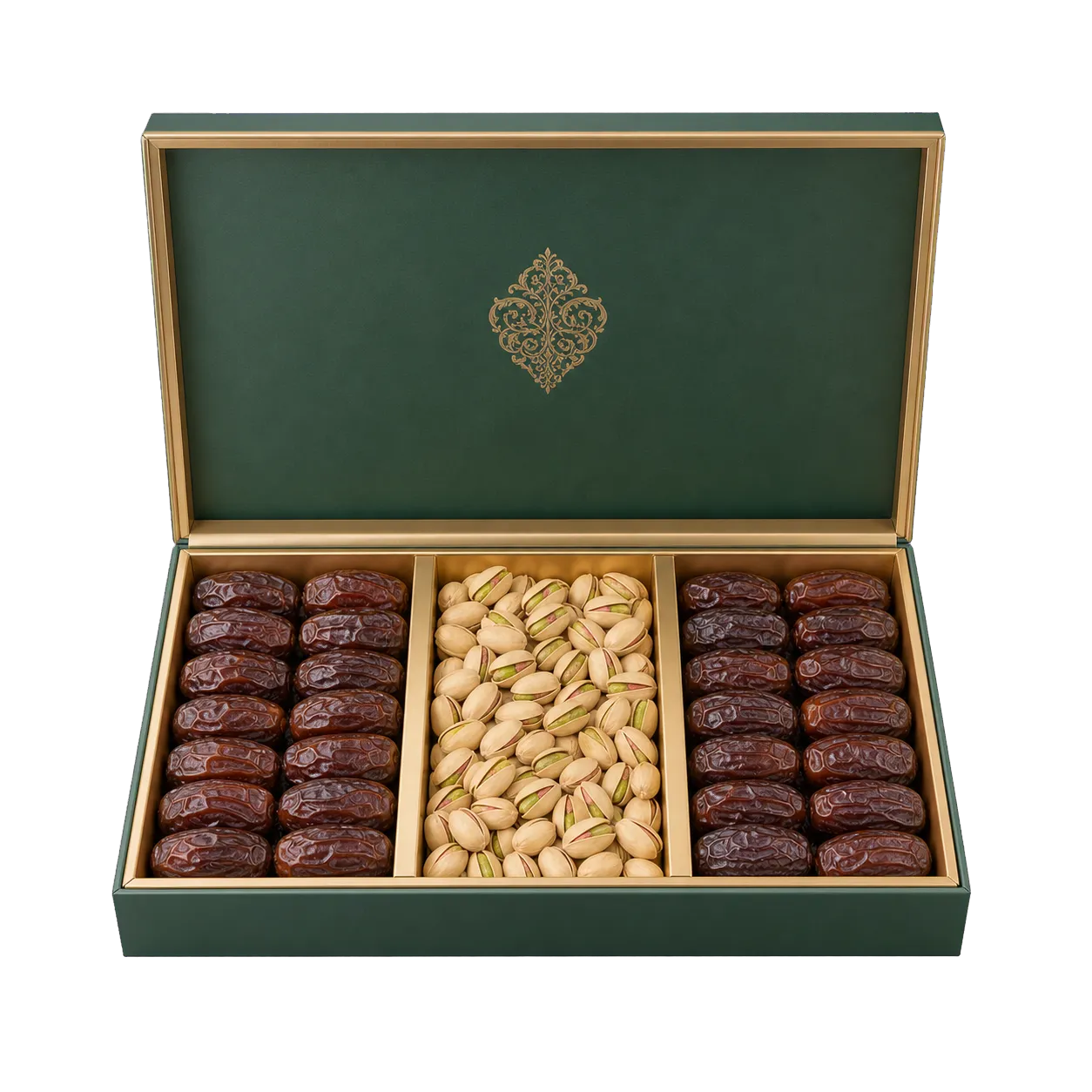
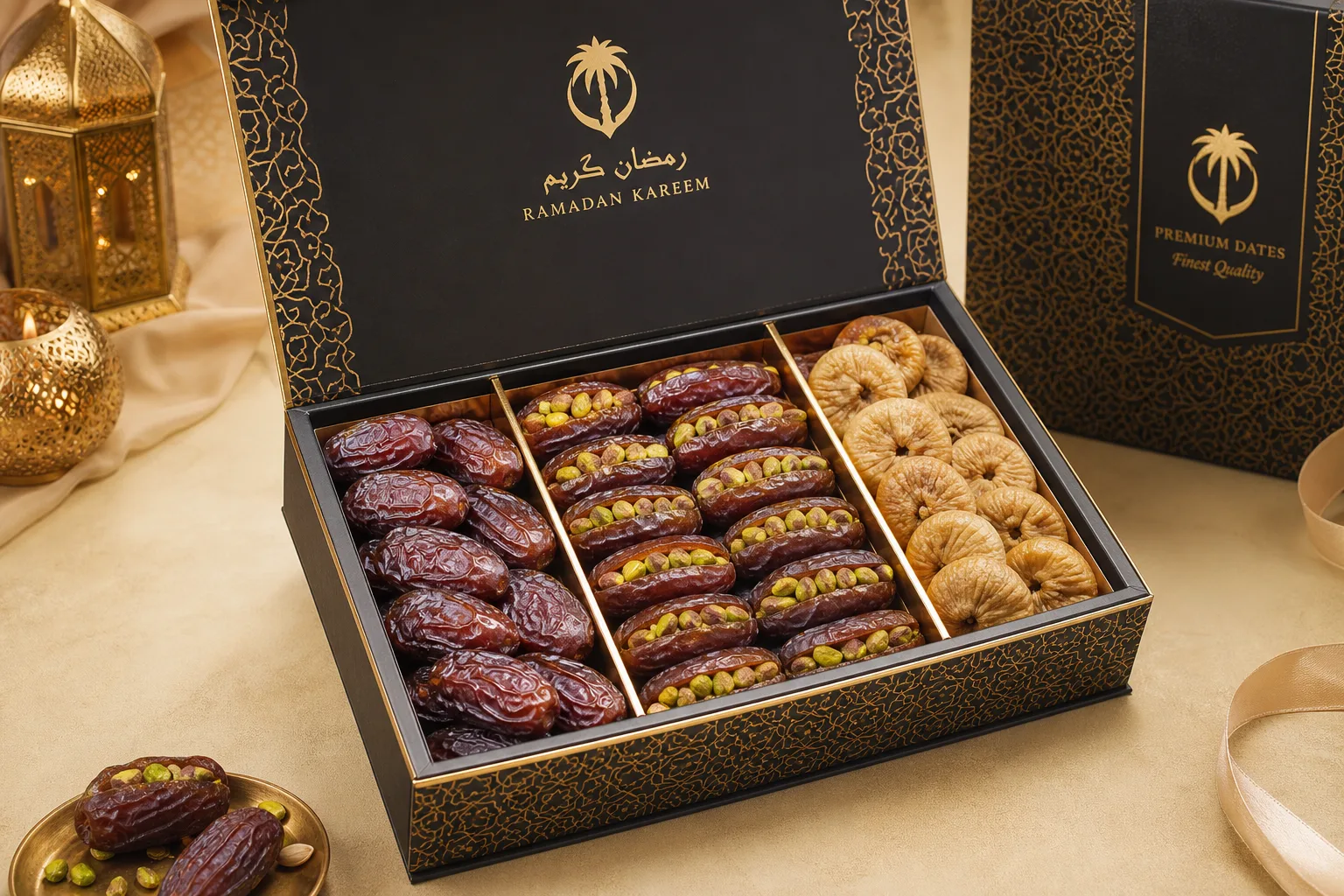
- تشكيلة الهدايا: علبة هدايا التمر والفستق، مناسبة للهدايا المؤسسية والعروض الموسمية والمتاجر المتخصصة.
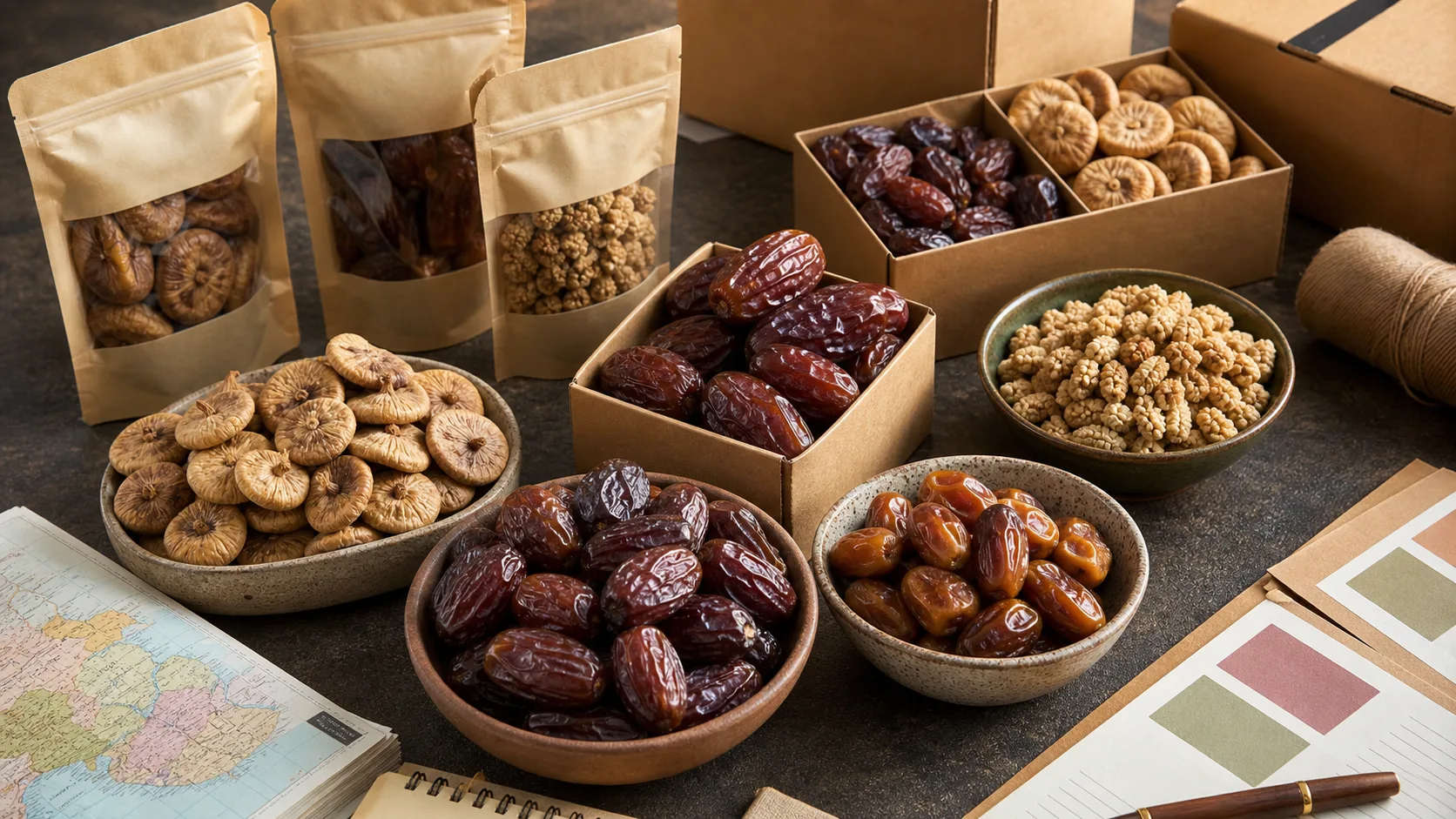
- ألوان وقوام إضافي: التين المجفف والتوت الأبيض المجفف، لإثراء العلبة المختلطة.
لا يلزم أن يبدأ الطلب الإماراتي بعلبة صلبة مخصصة بالكامل. قد تكون العلبة القياسية الفاخرة مع شريط عربي وإنجليزي وسيلة أفضل لاختبار السعر ومظهر الرف ورد فعل العميل.
السعودية: الاستهلاك العائلي والمتاجر والموزعون
من الأفضل تجهيز خط يومي وخط للهدايا الموسمية:
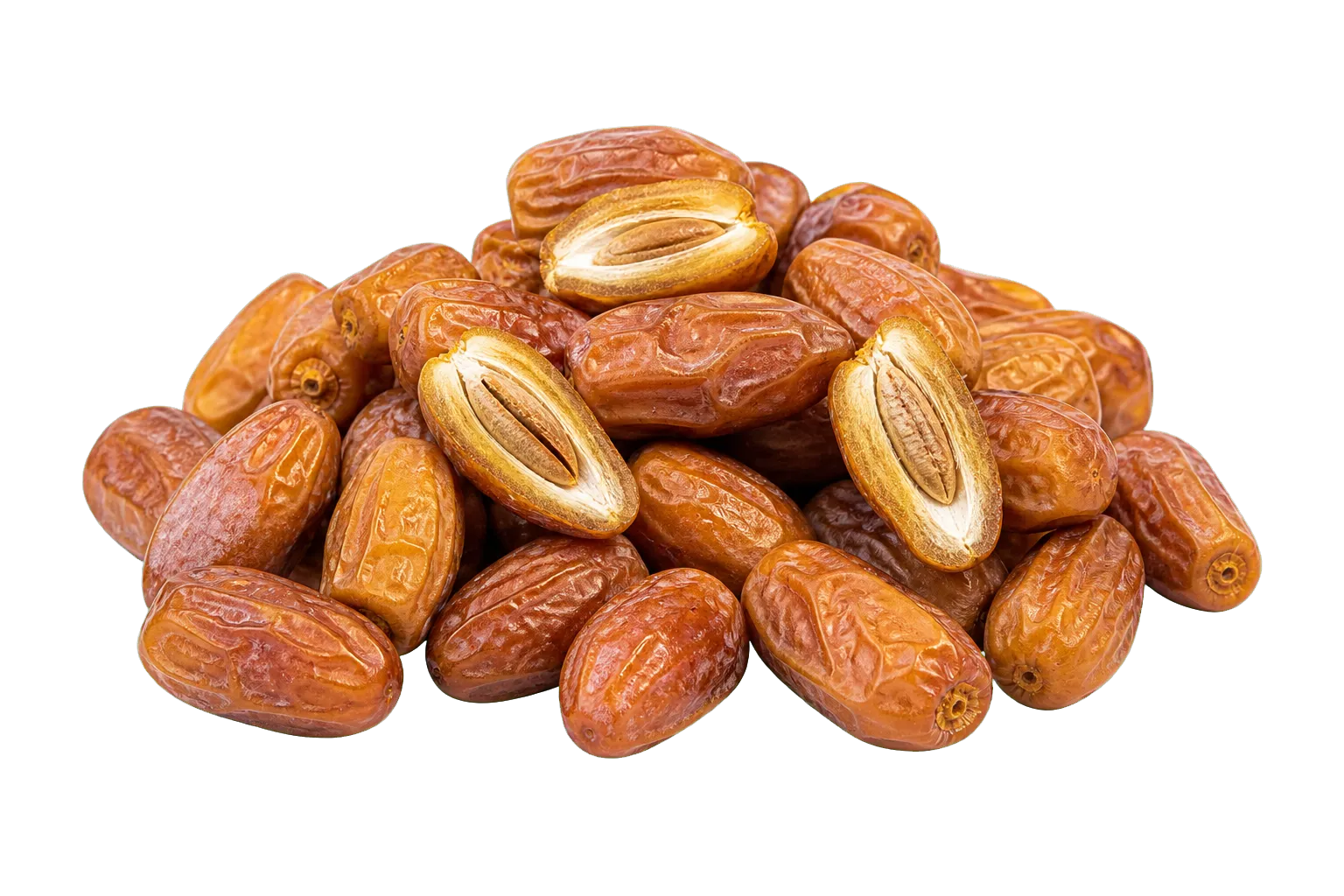
- خط الاستهلاك اليومي: تمر خلاص أو التمر المجفف، مع دراسة العبوات العائلية وعدد أكبر من الوحدات في الكرتون.
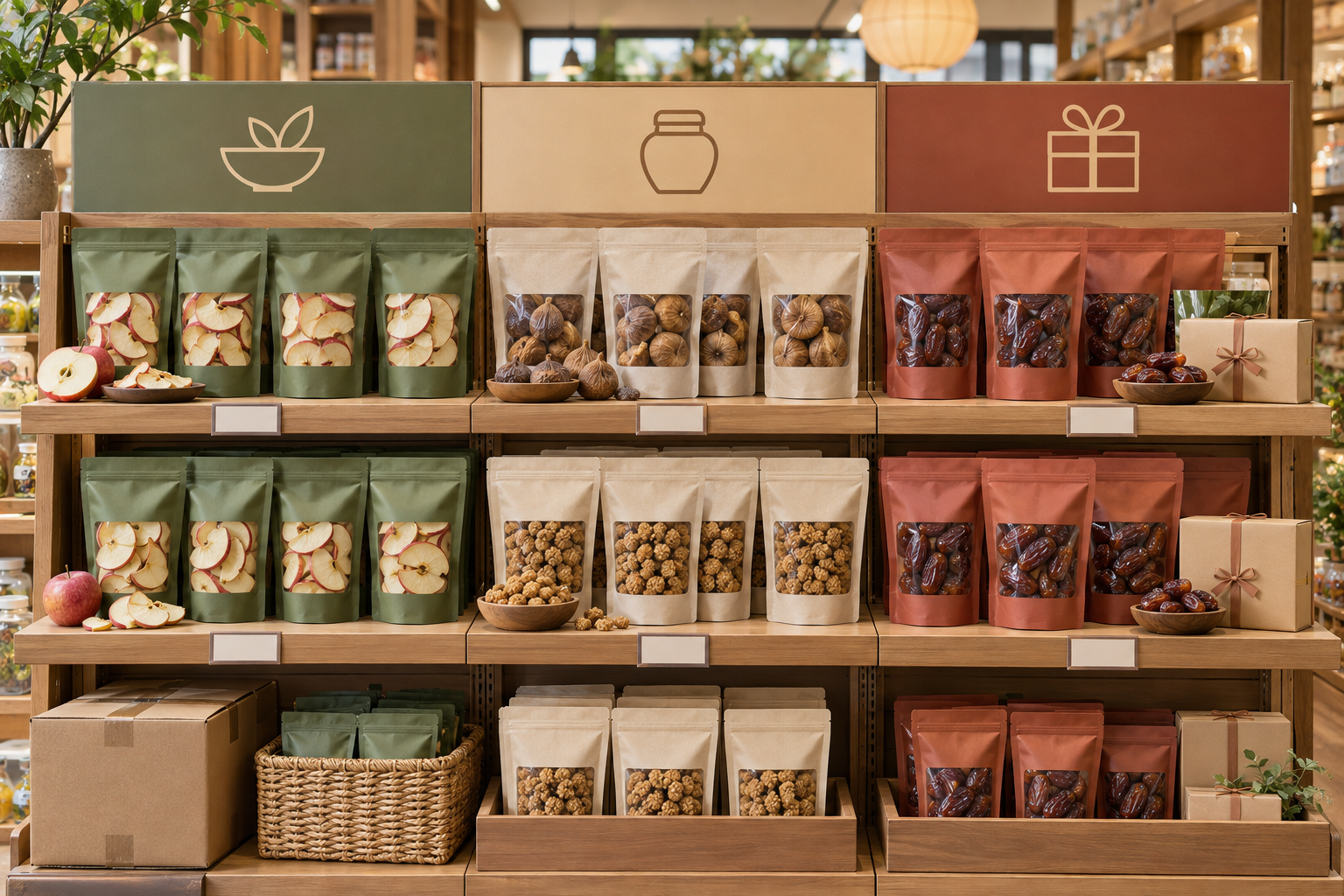
- خط متوسط مختلط: التمر مع التين أو التوت أو فواكه مجففة أخرى في تركيبة سهلة الفهم.
- خط الهدايا الموسمية والمؤسسية: علبة ذات مظهر كامل، مع حساب تكلفة الحشوة والكرتون والحماية من الرطوبة أثناء النقل.
إذا كان الدخول إلى السعودية عبر موزع، فلا ينبغي أن يغطي السعر هامش المصنع فقط. اترك مساحة معقولة للمستورد والموزع ومتجر التجزئة، وابدأ من سعر البيع المستهدف للوصول إلى تكلفة الوصول المقبولة.
3. لا تحدد العبوة بالوزن وحده
تُعد أوزان 250غ و500غ و800غ أو 1كغ نقاط بداية شائعة، لكن الاختيار يعتمد على القناة وطريقة البيع:
| الوزن التقريبي | الاستخدام المحتمل | سؤال التخطيط |
|---|---|---|
| 150 إلى 250غ | التجربة، والمتاجر المتخصصة، والأسر الصغيرة | هل السعر النهائي مناسب لأول شراء؟ |
| 400 إلى 500غ | الاستهلاك العائلي، والهدايا المتكررة، والمتاجر الكبرى | هل يوازن بين السعر ودوران الرف؟ |
| 800غ إلى 1كغ | الجملة، والأسر الكبيرة، والمشاركة | هل يتحمل الكرتون والرطوبة والتخزين؟ |
راجع أيضاً عدد القطع، وطريقة الفتح، وثبات العلبة، ونسبة الفاقد أثناء النقل. قد تكون عبوة أكبر أفضل من حيث تكلفة الكيلو، لكنها ليست بالضرورة أسهل في البيع.
4. استخدم مساراً من أربع مراحل للتعبئة
المرحلة الأولى: الأكياس السائبة والكراتين الخارجية. مناسبة للمشتري الذي يريد اختبار المنتج أو إعادة التعبئة محلياً. أكد حاجز الرطوبة وعدد الوحدات وقوة الكرتون.
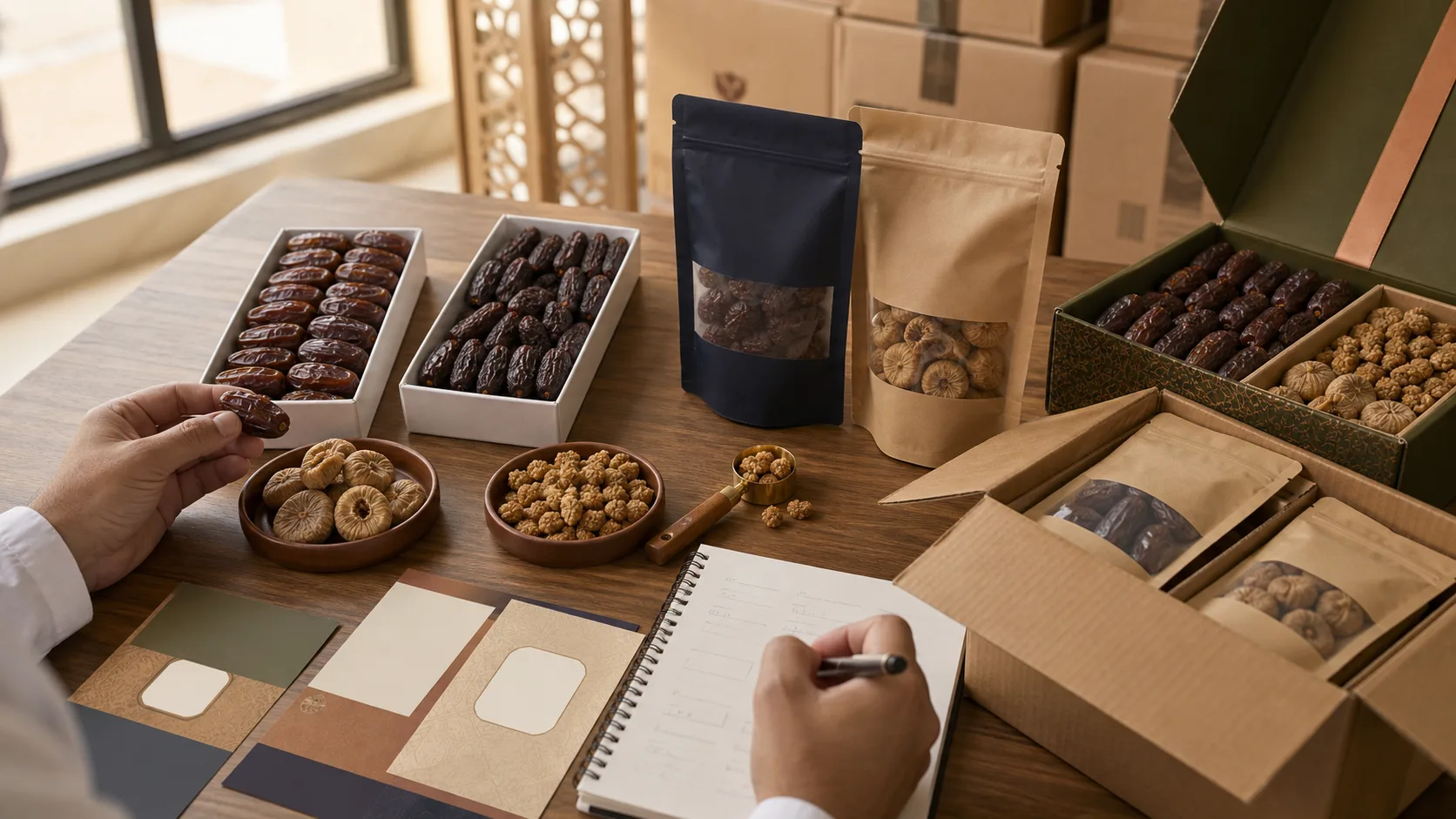
المرحلة الثانية: العبوة القياسية مع ملصق مخصص. تمنح مظهراً جاهزاً للرف من دون الالتزام بطباعة كمية كبيرة من الأكياس أو العلب.
المرحلة الثالثة: الأكياس المطبوعة حسب العلامة. استخدمها بعد وضوح الصنف والوزن وإشارة إعادة الطلب، لأن تغيير المقاس أو التصميم قد يترك مخزوناً من مواد التعبئة.
المرحلة الرابعة: علب الهدايا الموسمية والمؤسسية. أضف الحشوة والفواصل والحماية من الرطوبة واحسب تأثيرها على حجم الكرتون والنقل البحري. يجب اختبار العينة الكاملة قبل اعتماد الإنتاج الكبير.
5. أكد الملصق والوثائق قبل اعتماد التصميم
قبل طباعة أي عبوة، أكد اسم المنتج ونوعه، وترتيب المكونات، والوزن الصافي ووحدته، والمنشأ والمنتج، وظروف التخزين، وتواريخ الإنتاج والصلاحية، ومسببات الحساسية، والباركود ورقم التشغيلة، وبيانات المستورد والوثائق المطلوبة في بلد الوجهة.
إذا احتوت العلبة على الفستق أو الكاجو أو أي مكسرات أخرى، فاجعل بيان الحساسية واضحاً. كما يجب أن يراجع المستورد المحلي أو مختص الامتثال النسخة العربية والإنجليزية النهائية قبل الطباعة. لا تعتمد التصميم من صورة شاشة فقط؛ اطلب موافقة مكتوبة على ملف الطباعة والعينة.
6. تشكيلة مقترحة للطلب الأول
يمكن أن يبدأ الاختبار بثلاثة أدوار واضحة:
- صنف تمر يومي مألوف.
- صنف تمر أو فاكهة مجففة أكثر فخامة.
- علبة فواكه مجففة مشكلة أو علبة هدايا.
قارن بين 250غ و500غ، وسجل معدل تحويل الاستفسارات إلى طلبات، وسرعة البيع، ونسبة الفاقد أثناء النقل، وملاحظات العملاء، وموعد إعادة الطلب. لا توسع التشكيلة قبل أن تعرف أي وزن وقناة يحققان إعادة شراء حقيقية.
7. ما الذي ترسله في طلب عرض السعر؟
أرسل إلى المورد الدولة والمدينة وقناة البيع المستهدفة، وقائمة المنتجات والمواصفات والكمية، وأوزان العبوات، ونوع التغليف، والوجهة أو الميناء، وهل تحتاج إلى ملصق عربي وإنجليزي، وموعد الإطلاق، والعينات والوثائق المطلوبة.
اطلب أن يفصل العرض سعر المنتج، والتعبئة، وعدد الوحدات في الكرتون، وأبعاد الكرتون، والحد الأدنى، ومدة التجهيز، وشرط التجارة الدولي، وما إذا كانت تكلفة الشحن أو الوجهة مشمولة. بهذه الطريقة تقارن تكلفة طلب قابل للتنفيذ، لا سعراً منفرداً.
الخلاصة: اختر السوق وفق القناة، ثم اختر الصنف والوزن والتعبئة وفق طريقة البيع. ابدأ بطلب قابل للاختبار، وراجع الملصق والوثائق قبل الإنتاج، ثم استخدم بيانات البيع وإعادة الطلب لتوسيع التشكيلة.
يمكنك تصفح دليل المنتجات أو إرسال طلب توريد بالجملة مع ذكر الدولة والقناة والوزن والكمية المتوقعة.
 منتجات ذات صلة