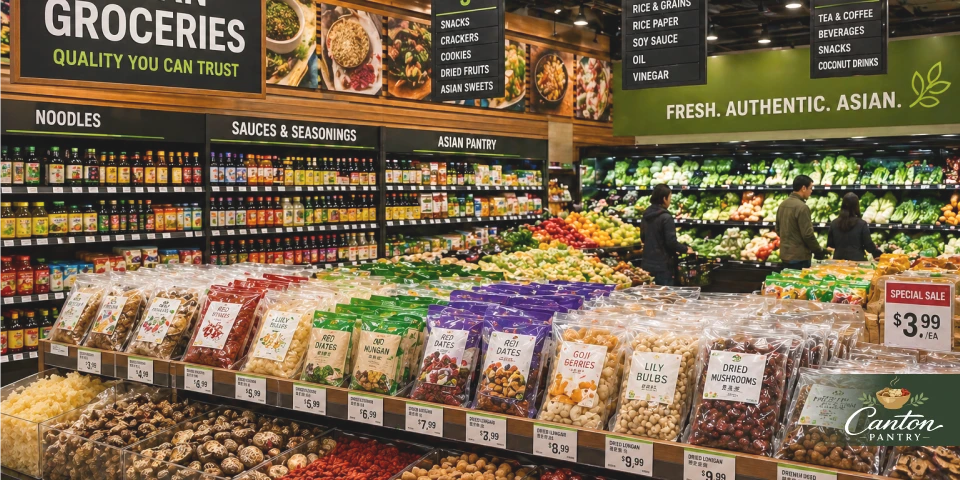
Asian grocery stores do not need every dried goods SKU at the beginning. A stronger program usually starts with products that shoppers already recognize, can use in more than one way, and are easy for store teams to restock.
For importers, distributors, and retail buyers, the best-selling dried goods are rarely chosen by taste alone. They work because they fit a clear shelf, a clear customer habit, and a clear reorder cycle. Dried fruits support snack and pantry sections. Cantonese soup ingredients support family cooking and wellness shelves. Gift packs help stores build seasonal displays with higher presentation value.
This guide explains how to choose a practical dried goods assortment for Asian grocery stores, especially when you are planning a first order or refreshing a retail shelf.
1. Start with repeat-purchase dried fruits
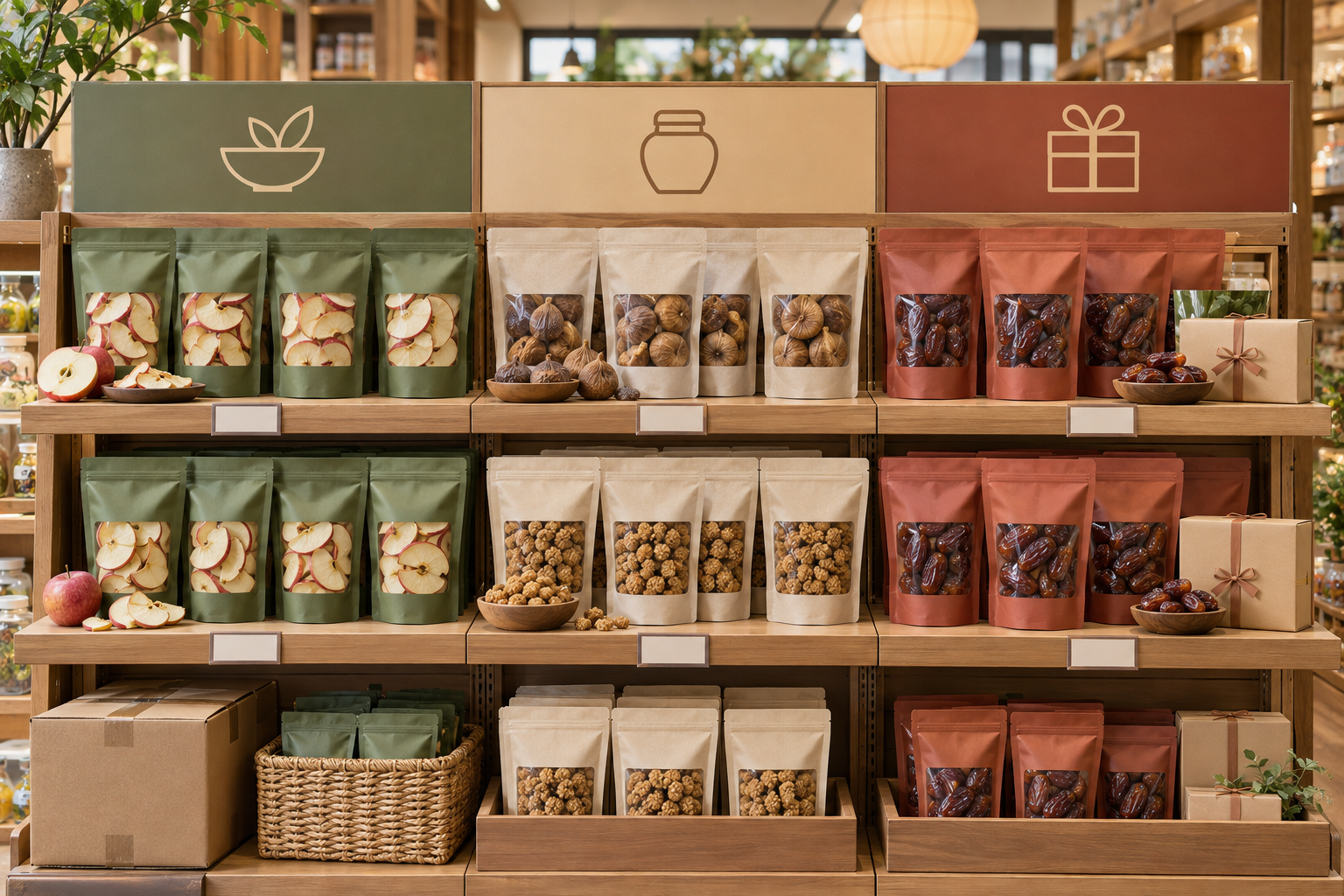
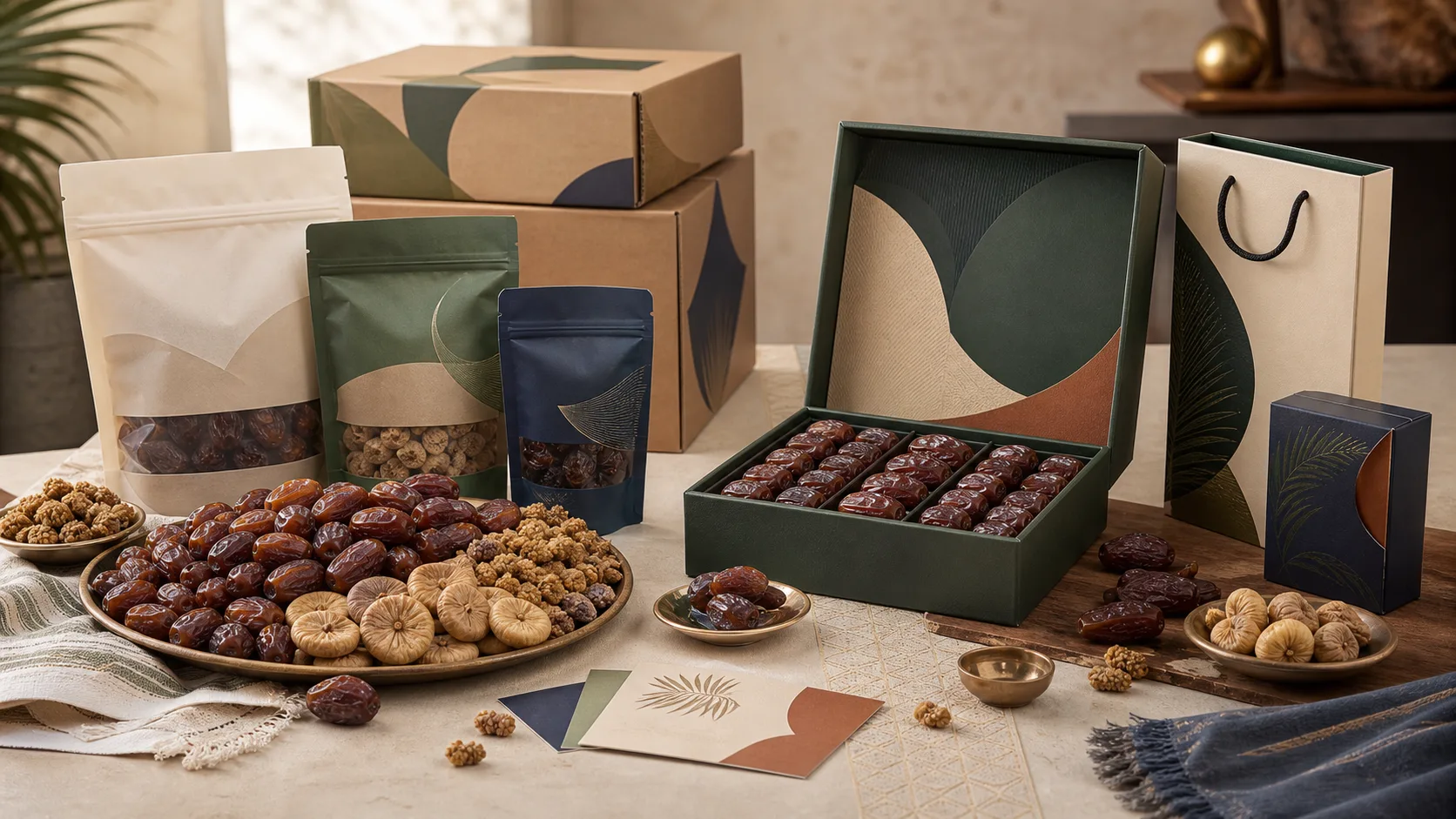
Dried fruits are often the easiest category to introduce because shoppers understand them quickly. They can be placed on snack shelves, pantry shelves, tea shelves, or seasonal gift displays.
| Product type | Why it works in retail | Good shelf placement |
|---|---|---|
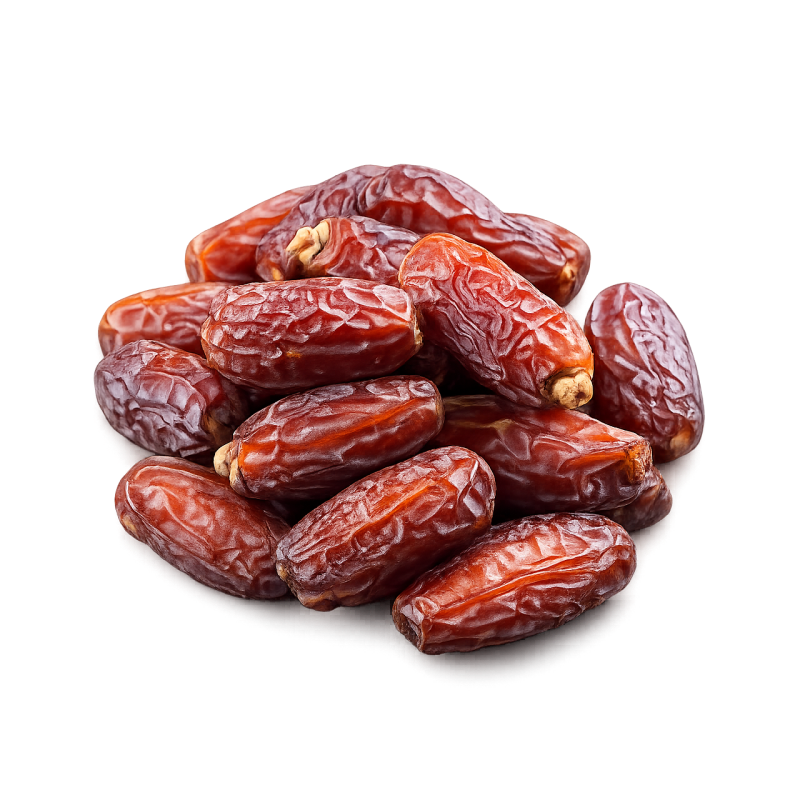
| Dried Dates | Naturally sweet, easy to explain, suitable for snacking and gifting | Dried fruit shelves, healthy snack zones, gift pack programs |
| Dried Figs | Familiar dried fruit with strong visual appeal | Premium dried fruit shelves and mixed fruit displays |
| Dried Apple Slices | Light snack profile and easy trial purchase | Snack shelves, family pantry sections |
| Red Dates | High recognition across Chinese and Asian households | Pantry, tea, soup, and wellness shelves |
| Goji Berries | Small pack friendly and easy to cross-sell | Tea shelves, soup ingredient shelves, wellness sets |
For a new buyer, dried fruits are useful because they can be tested in several pack sizes. Smaller retail packs help trial. Larger family packs work better for repeat household use. The key is to avoid making the first shipment too wide: a focused range of recognizable fruits usually performs better than a long list of unfamiliar items.
2. Build a Cantonese soup ingredient shelf
Soup ingredients give an Asian grocery store a stronger specialty identity. They are not only ingredients; they also communicate regional food culture. For Cantonese customers, a soup shelf can become a repeat-visit reason, especially when products are grouped clearly.
Good starting items include:
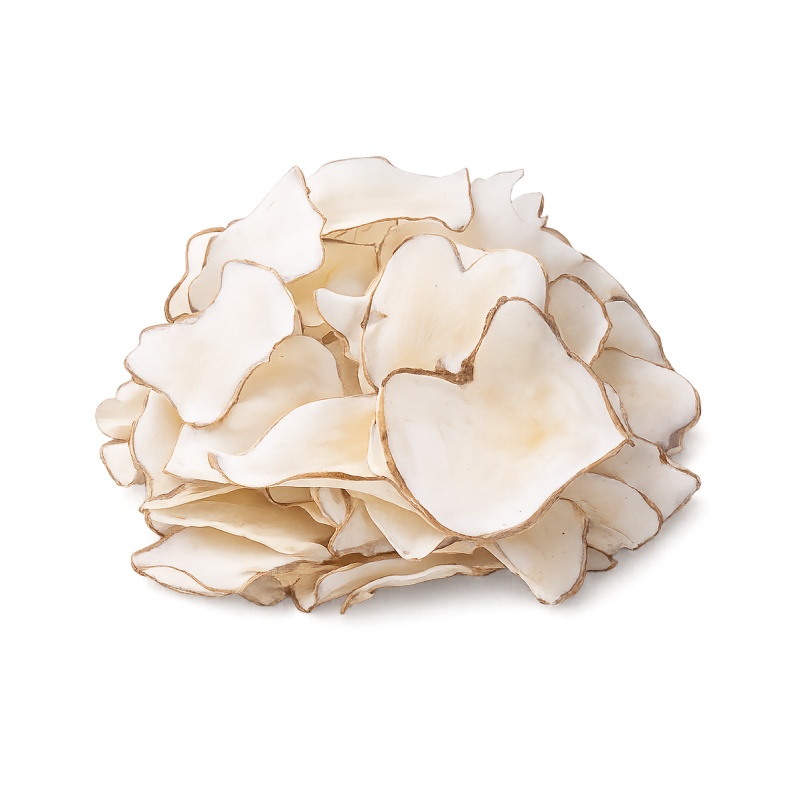
- Sea Coconut for cooling-style Cantonese soup combinations
- Honey Dates for sweetness and balance in soup packs
- Lotus Seeds and Lily Bulb for household soup and dessert uses
- Chinese Yam for classic soup ingredient shelves
- Apricot Kernels for pear soup and family soup recipes
- Dried Tangerine Peel for soup, tea, and pantry use
- Five Finger Fig Root for Cantonese-style soup positioning
The important point is merchandising. A single soup ingredient may need explanation, but a well-arranged soup shelf is easier to understand. Retailers can group products by use case: pear soup, family soup, seasonal soup, and ready-to-cook soup mixes.
3. Use soup mixes to reduce shopper hesitation
Single ingredients are flexible, but some shoppers do not want to choose every item themselves. This is where soup mixes are useful. They turn several dried goods into a clear cooking occasion.
For stores, soup mixes can work as:
- Entry products for shoppers who are new to Cantonese soup
- Seasonal displays during cooler months or family cooking periods
- Cross-sell items beside rice, noodles, sauces, and fresh meat sections
- Trial products before expanding into individual ingredients
Products such as Five Finger Fig Soup Mix, Pear Fig Soup Mix, and Ching Bo Leung Soup Mix are easier to explain when the packaging names the soup occasion clearly.
4. Add gift packs after the core shelf is clear
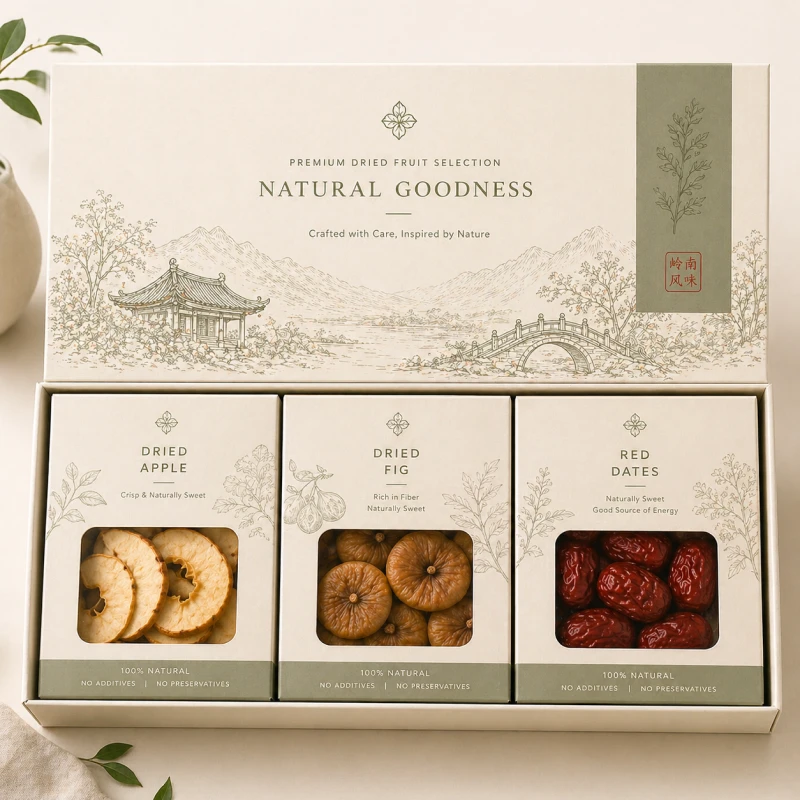
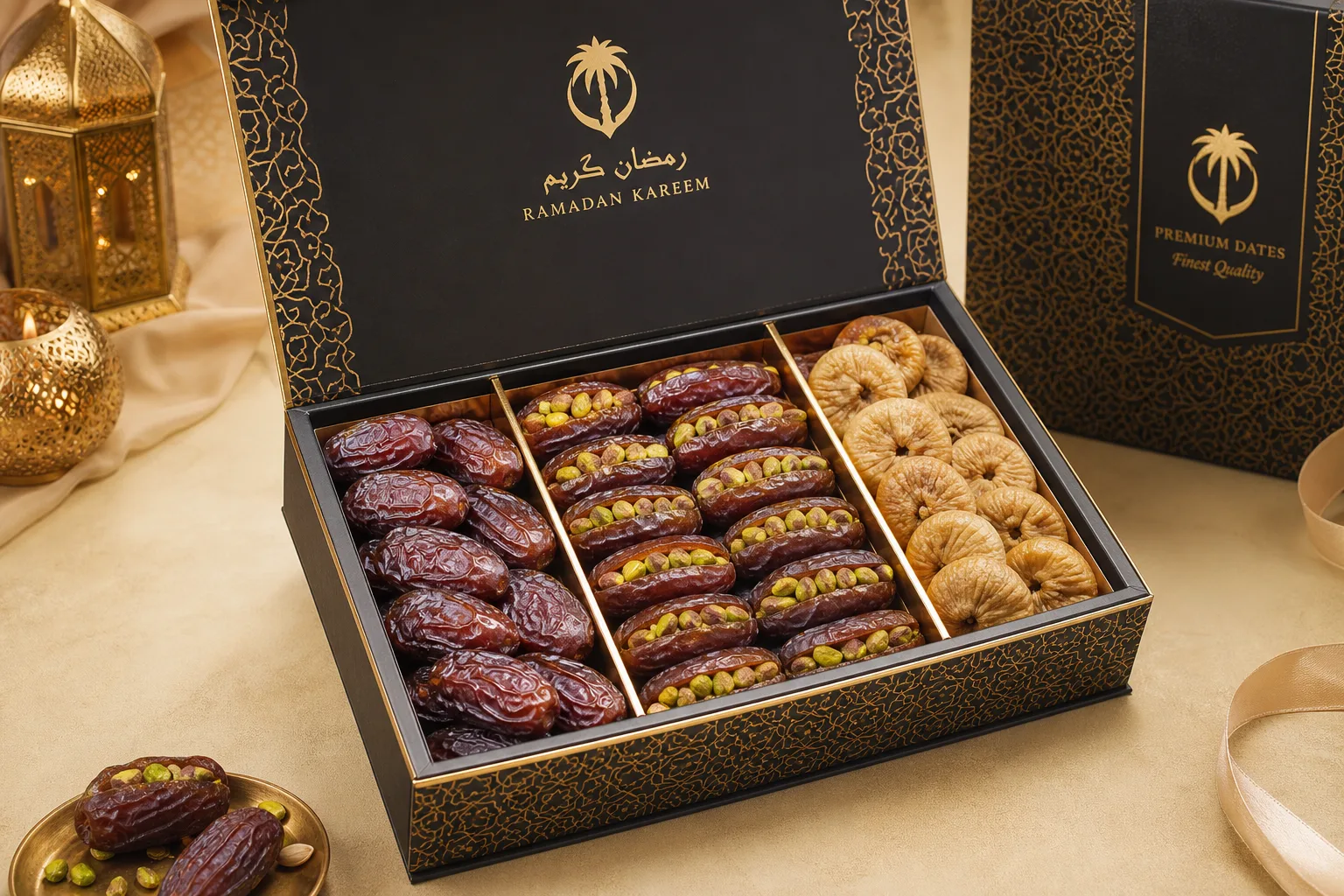
Gift packs can raise basket value, but they work best when the store already understands its customer base. A dried fruit gift box, soup starter set, or seasonal wellness set is especially useful around Lunar New Year, Mid-Autumn Festival, year-end gifting, community group buying, and corporate gifting.
Good gift-oriented options include:
- Dried Fruit Gift Box for broad seasonal gifting
- Cantonese Soup Starter Set for new soup customers
- Seasonal Wellness Soup Gift Set for premium display windows
- Dried Fruit Soup Pantry Set for mixed pantry positioning
Gift packs should not replace core SKUs. They should sit on top of them. The core shelf builds repeat purchase; gift packs create seasonal visibility.
5. A practical first-order mix for Asian grocery buyers
For a first wholesale order, the safest structure is usually balanced rather than experimental.
| Assortment share | Product focus | Buyer purpose |
|---|---|---|
| 40% | Dried fruits such as dates, figs, apple slices, red dates, and goji berries | Build easy trial and repeat purchase |
| 35% | Soup ingredients such as sea coconut, honey dates, lotus seeds, lily bulb, Chinese yam, and tangerine peel | Build a recognizable Cantonese pantry shelf |
| 15% | Soup mixes and starter sets | Help shoppers choose without needing recipe knowledge |
| 10% | Gift packs and seasonal sets | Test display value and higher-ticket sales |
This mix gives the buyer enough variety without making the first shipment too complicated. After one or two reorder cycles, the store can expand the fastest-moving subcategory.
6. What to check before confirming a supplier
Before placing a larger order, buyers should review more than product photos. A dried goods supplier should be able to support retail execution.
- Can the supplier recommend pack sizes for your target shelf?
- Are the product names and labels easy for shoppers to understand?
- Can carton quantities match your warehouse and store replenishment rhythm?
- Is the product range suitable for both single SKUs and gift-pack programs?
- Can the supplier support samples before a larger wholesale order?
- Does the assortment include both familiar staples and differentiated Cantonese items?
Buyer takeaway
The best dried goods assortment for an Asian grocery store is not the largest one. It is the one that gives shoppers familiar reasons to buy again: snacks, tea, family soup, pantry restocking, and seasonal gifting.
Start with recognizable dried fruits, add a focused Cantonese soup ingredient shelf, use soup mixes to make cooking easier, and introduce gift packs once the retail rhythm is clear.
To plan your own assortment, browse our wholesale product catalog or send an inquiry for sample suggestions based on your store type, target customers, pack size, and first-order budget.
 Related products