A shelf-life figure is useful to a wholesale buyer only when it is tied to the actual product, unopened packaging, storage conditions and the time left when the goods arrive. Before comparing prices, ask: how much selling time will this shipment leave us?
This guide is for U.S. importers, Asian grocery buyers, distributors and private-label teams. Use it alongside our first wholesale assortment guide and merchandising and replenishment guide. The calculations and checklists below are suggested purchasing tools, not universal product specifications.
1. Separate total shelf life from time left at arrival
Ask the supplier to distinguish three things in writing:
| Term | What to confirm |
|---|---|
| Total unopened shelf life | The starting event, such as production or packing, and the validated product, package and storage conditions |
| Remaining life at receipt | The time from arrival at your named receiving warehouse to the agreed date on the pack |
| Instructions after opening | Storage and use instructions for an opened retail bag or bulk liner |
A best-before date, an internal sell-by cutoff and a customer's minimum remaining-life requirement serve different purposes. Record the exact label wording and date format; do not assume a packing date resets the product's age. A date alone does not establish whether a particular lot is safe.
Work backwards from the retailer's acceptance rule. Agree on the receiving location, minimum remaining days, checking method and response to transit delays. These are order terms, not a universal U.S. threshold.
2. Calculate a realistic selling window
Remaining life at receipt = agreed end date minus actual warehouse receipt date.
Planned selling window = remaining days at receipt minus receiving and distribution time minus the remaining-life buffer required at sale.
Consider a hypothetical lot with a supplier-supported unopened life of 365 days from production. It is 45 days old when dispatched, and transit plus clearance takes 60 days. It arrives with 260 days remaining. If receiving and distribution take 20 days and your sales policy reserves 90 days for the next buyer or consumer, the planning window is 150 days: 365 − 45 − 60 − 20 − 90. This is an arithmetic example, not a Canton Pantry shelf-life promise, transit estimate or recommended buffer.
Compare that window with a conservative sales forecast for each SKU. If the order is too large to sell in time, discuss a smaller order, a fresher production lot or split deliveries. Recalculate with actual dates when the shipment arrives.
3. Confirm specifications for each dried fruit
Do not transfer a shelf-life claim from one fruit, process or package to another. Use this sample discussion sheet alongside our wholesale quality evaluation guide.
| Product | Sample and specification questions | Packaging and storage questions |
|---|---|---|
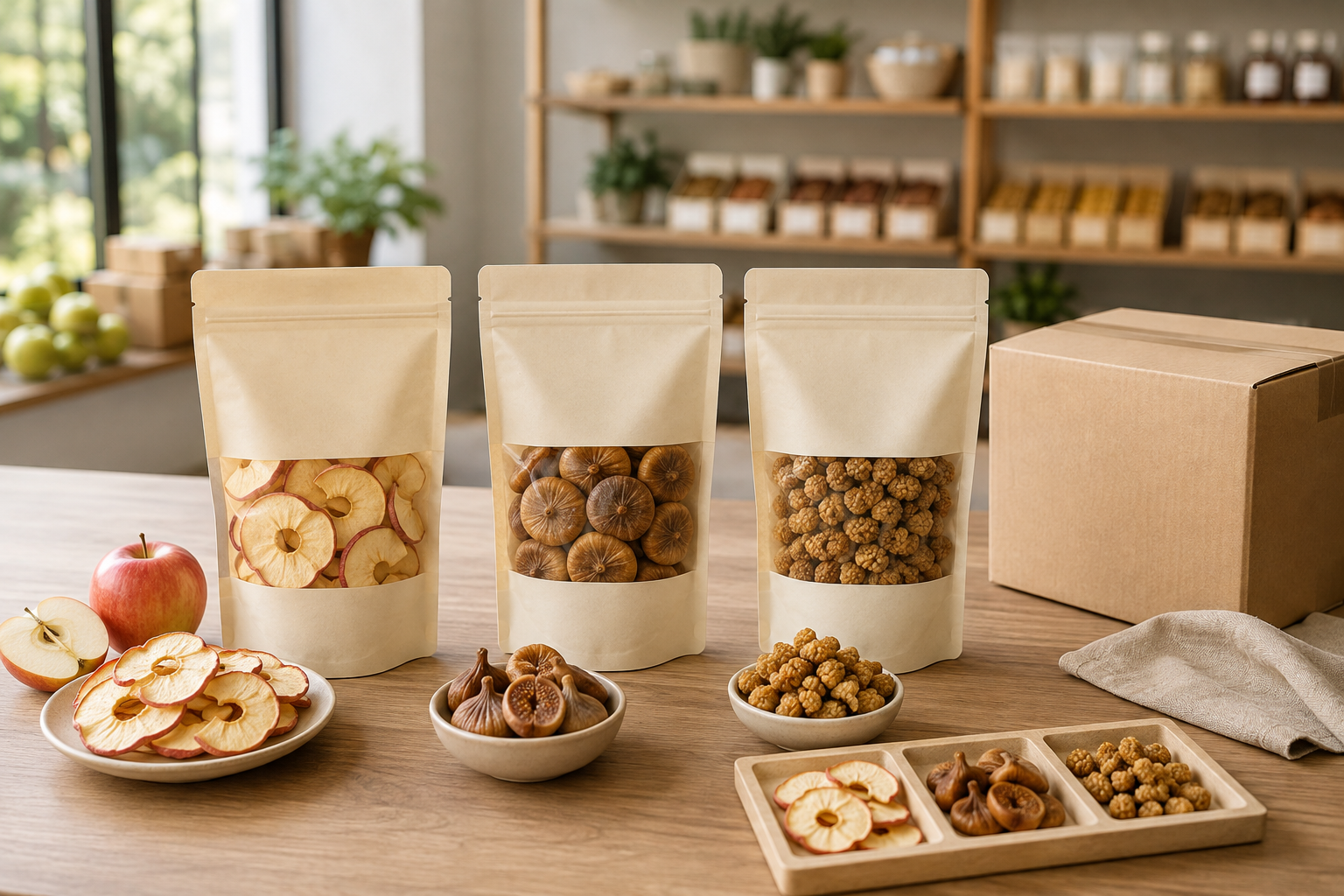
| Dried apple slices | Is the target texture chewy or crisp? What color and breakage range is accepted? | Does the final pouch protect that texture through the proposed route? |
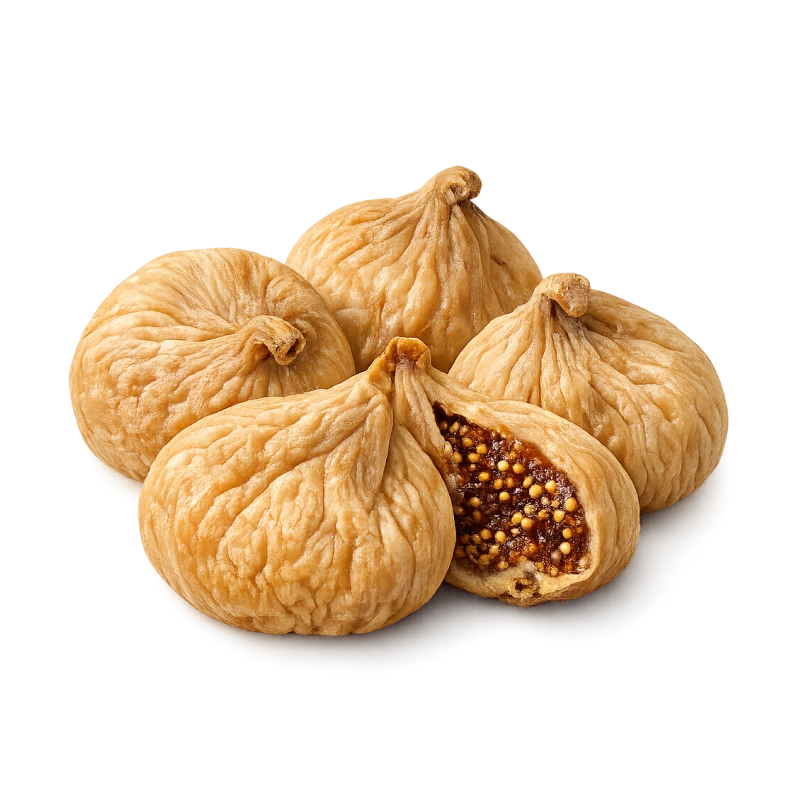
| Dried figs | What firmness, surface appearance and size variation match the approved sample? | What conditions and handling limits apply to this exact grade? |
| Dried mulberries | What proportion of broken fruit is acceptable? What texture is expected? | How are fruit and inner packs protected from compression and moisture exposure? |
| Medjool dates | What variety, moisture specification and softness are supplied? | Is temperature-controlled storage required for the stated life and route? |
Moisture content and water activity are different measurements; a dry feel cannot establish water activity. See the FDA explanation of water activity. Ask which controls and results apply to your product rather than treating one number as proof of safety or shelf life.
4. Specify the final package, not just its appearance
For a retail pouch, ask for the material specification, intended moisture barrier, seal design and evidence supporting the claimed life in that format. Check the primary seal above any zipper. A resealable closure is useful after opening, but does not by itself establish an unopened pack's protective performance.
For a bulk carton, confirm the food-contact liner, how it is closed, units per carton and instructions once the liner is opened. For a gift box, identify which inner package protects the fruit; a decorative outer box does not replace a suitable inner pack.
Changing pouch material, pack size or the product mix should trigger a review of whether existing shelf-life evidence still applies. AURI's food product shelf-life guide explains the relevance of packaging, formulation and production decisions. Request the scope and conclusion of applicable studies, not a generic date from a different SKU.
5. Turn storage instructions into a warehouse routine
Obtain written temperature and humidity conditions for each product, including any refrigeration requirement and after-opening instructions. Ask the supplier to make “cool and dry” operationally clear for your warehouse and route.
Assign locations away from direct sun, heat, water and strong odors. Protect cartons from floor moisture and crushing, and record conditions against the agreed specification. If a temperature-controlled product changes environments, follow its handling instructions to manage condensation before opening.
The National Center for Home Food Preservation describes the effects of heat and moisture on dried foods. It is a household resource; its storage ranges should not be used to assign commercial shelf life to imported products.
Use first-expiring, first-out rotation for released lots, checking actual dates rather than arrival order alone. Keep held stock separate. Record the opening date of bulk liners and follow the supplier's instructions; the unopened date is not an automatic open-pack allowance.
6. Use a receiving checklist before release
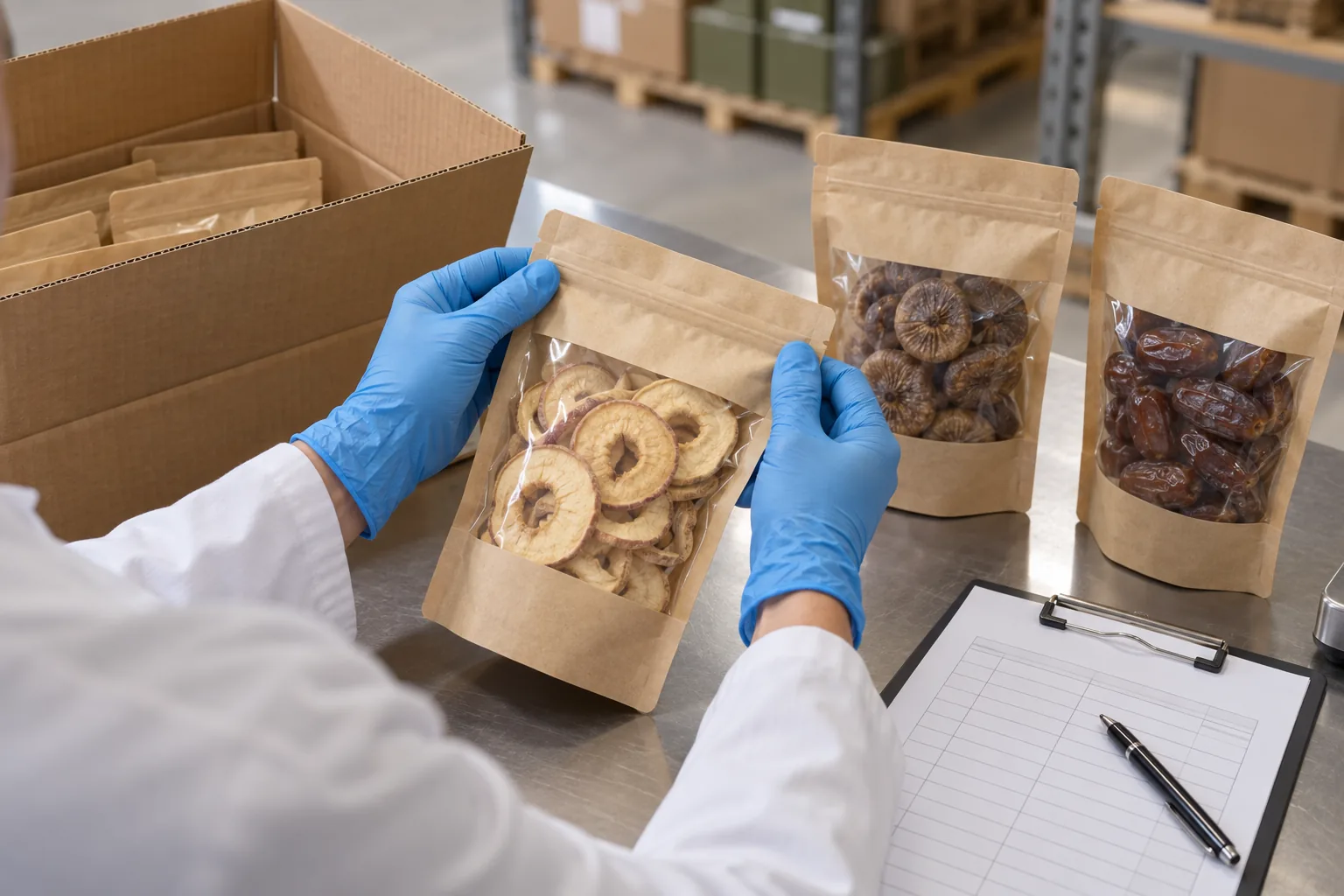
The photographs in this article are illustrative. This checklist is a starting point for a receiving procedure, to be adapted to the product's quality and food safety plan.
| Check | Record | Escalate when |
|---|---|---|
| Product identity | SKU, quantity, supplier and purchase order | Product, grade or pack differs from the order |
| Lot and dates | Batch code, exact date wording, receipt date and remaining days | Codes are missing, dates conflict or agreed remaining life is not met |
| Outer cartons | Condition and photos of affected cartons | Wetness, crushing, pest evidence or contamination is observed |
| Inner packaging | Seal and liner condition under the agreed sampling plan | Open seals, punctures, leakage or internal condensation is found |
| Storage history | Available transport records and receipt observations | Conditions deviate from the product specification |
| Product condition | Comparison with the approved sample where inspection is appropriate | Unexpected mold-like growth, odor, clumping or another deviation appears |
Put suspect stock on hold, identify the lot, document the issue and ask the quality team and supplier for a disposition decision. Do not taste suspect goods or release them merely because the printed date has not passed. Visual checks cannot prove microbiological safety; sampling and testing belong in the agreed quality plan.
7. Send a clearer shelf-life inquiry
- Destination warehouse and sales channel, including downstream remaining-life rules.
- Product, grade, processing details, pack size and expected order quantity.
- Proposed production and packing dates, date format and traceable batch codes.
- Minimum remaining life required at receipt at the named location.
- Final packaging specification and evidence supporting shelf life in that package.
- Written storage, transport and after-opening instructions for each SKU.
- Relevant specifications, agreed batch test reports and receiving sampling requirements.
- Procedure for delays, damaged packs, short-dated deliveries and held stock.
Ask whether test reports describe the shipped lot and what they measure. A certificate of analysis supports the checks it covers; it is not, by itself, a shelf-life study.
Can every dried fruit be ordered with a 12-month shelf life?
No single period applies to every dried fruit. Confirm the product, process, final package and supported storage conditions. Do not borrow a household estimate or a competitor's label to set your specification.
Does repacking start the shelf-life clock again?
Do not assume it does. Preserve original lot and age records, and have the responsible manufacturer or repacker substantiate the new packaging and date assignment.
What should a small retailer prioritize first?
Start with remaining life at receipt, storage capacity and realistic sales speed. A low price is less useful if the order cannot move within the selling window. Match quantities to the first assortment plan and review dates during replenishment planning.
To discuss an order, send a wholesale inquiry with your products, destination, pack sizes, quantity and required remaining life at receipt. Ask Canton Pantry to confirm available specifications, samples and order terms for those exact items.
 Related products